

Hate in a Hallmark Town, Part 6: 'Love Is Stronger Than Hate - and Better For Us All'
Franklin, Tennessee, Pastor Walter Simmons: "I believe it is important to hear and listen to the voices of those who carry the weight of what happens on Main Street."

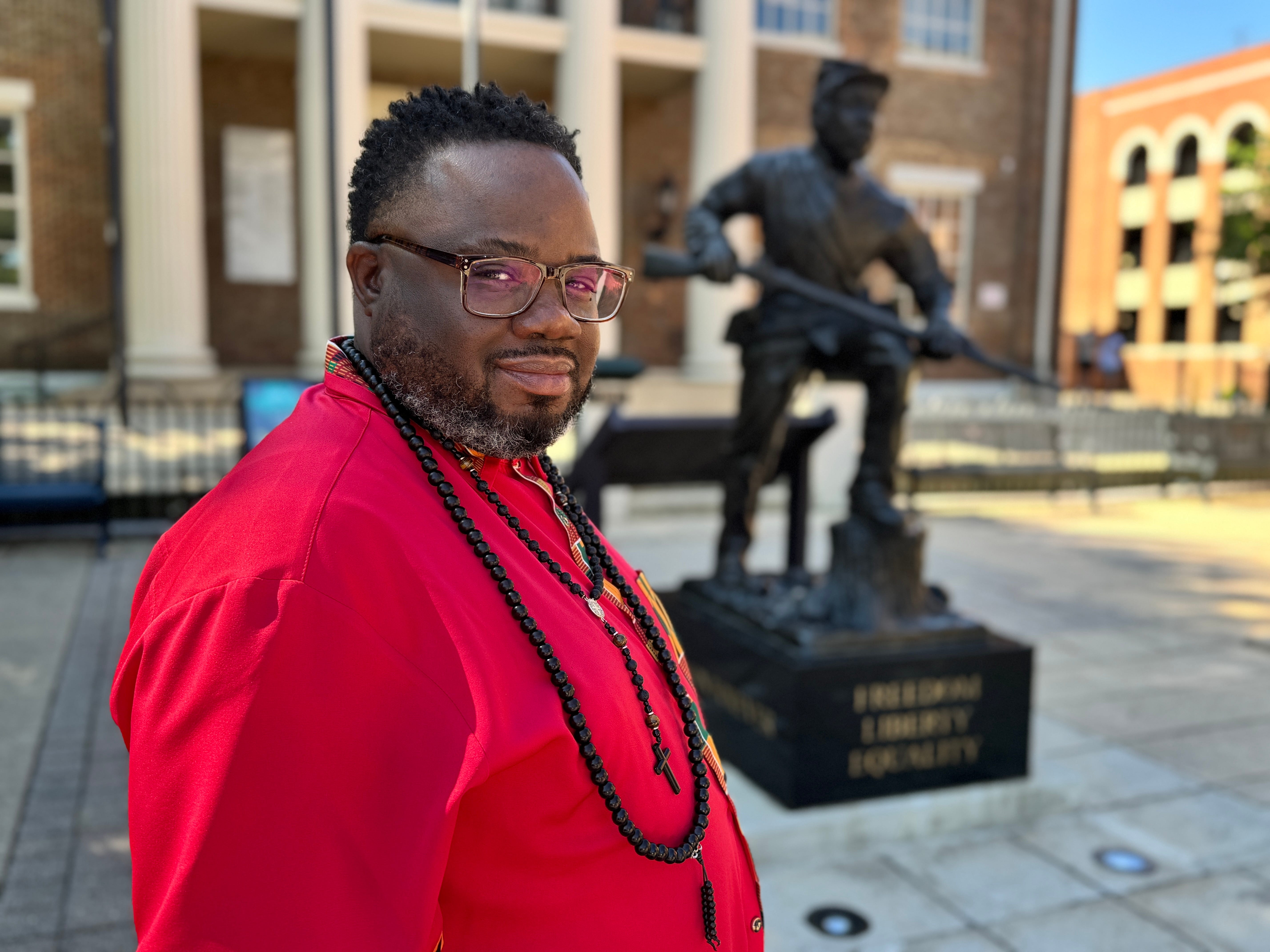
During the COVID-19 pandemic in 2020, I would walk through my cozy Franklin, Tennessee, neighborhood every day for about two hours.
Dressed in my normal attire—a black hoodie, Nike sneakers, and jogging pants—and listening to gospel music, I tried to keep my sanity. At least four times a week, Franklin police would show up to “watch me.”
But one day in 2020 would be different.
After the murder of Ahmaud Arbery in Brunswick, Georgia, where I used to live, I was hurt and disappointed. While speaking on Facebook Live as I walked, the same thing happened again. The police showed up, watched me walk, and suddenly pulled off after circling back around the cul-de-sac.
A few days later, I learned that a billboard at the local elementary school in that community displayed the word “nigger.” It was my first direct encounter with hate in Franklin—and not just on Main Street.
There are many who choose not to believe that hate is in the DNA of the city of Franklin and in the community of Williamson County.
Let me explain.
In 2017, after the violence of the Unite the Right rally in Charlottesville, Virginia, over the removal of a Robert E. Lee statue, a prayer vigil was held in downtown Franklin by concerned citizens. Pastors, residents, business leaders, and civic leaders gathered to pray and peacefully demonstrate.
Also in attendance were factions aligned with the extreme right. Armed with rifles, flags, and signs displaying anti-justice rhetoric, they stood to protect the mascot of white supremacy and racism in downtown Franklin known as “Chip.”
This Confederate monument, erected in 1899, is a daily reminder that Williamson County and Franklin have a long, deep history of racial terror toward the descendants of enslaved Africans. That reality became even clearer when Dr. Kevin Riggs, a White pastor in Franklin, uttered these words on that rainy day: “We need to remove the Confederate statue!”
The Sons and Daughters of Confederate Veterans were not happy with that comment. They launched an assault campaign using court injunctions and intimidation tactics against what would become known as the “Fuller Story.” The Fuller Story was led by three local pastors and a historian who began to address Franklin’s history with racism as a means of bringing the city together around truth, love, and hope.
After a four-year process that included much debate, the city of Franklin decided to put up five historical markers in the city’s square. One marker spoke of a race riot that occurred near Mellow Mushroom in 1867. Another marker told of a market house that sold enslaved men and women on the square.
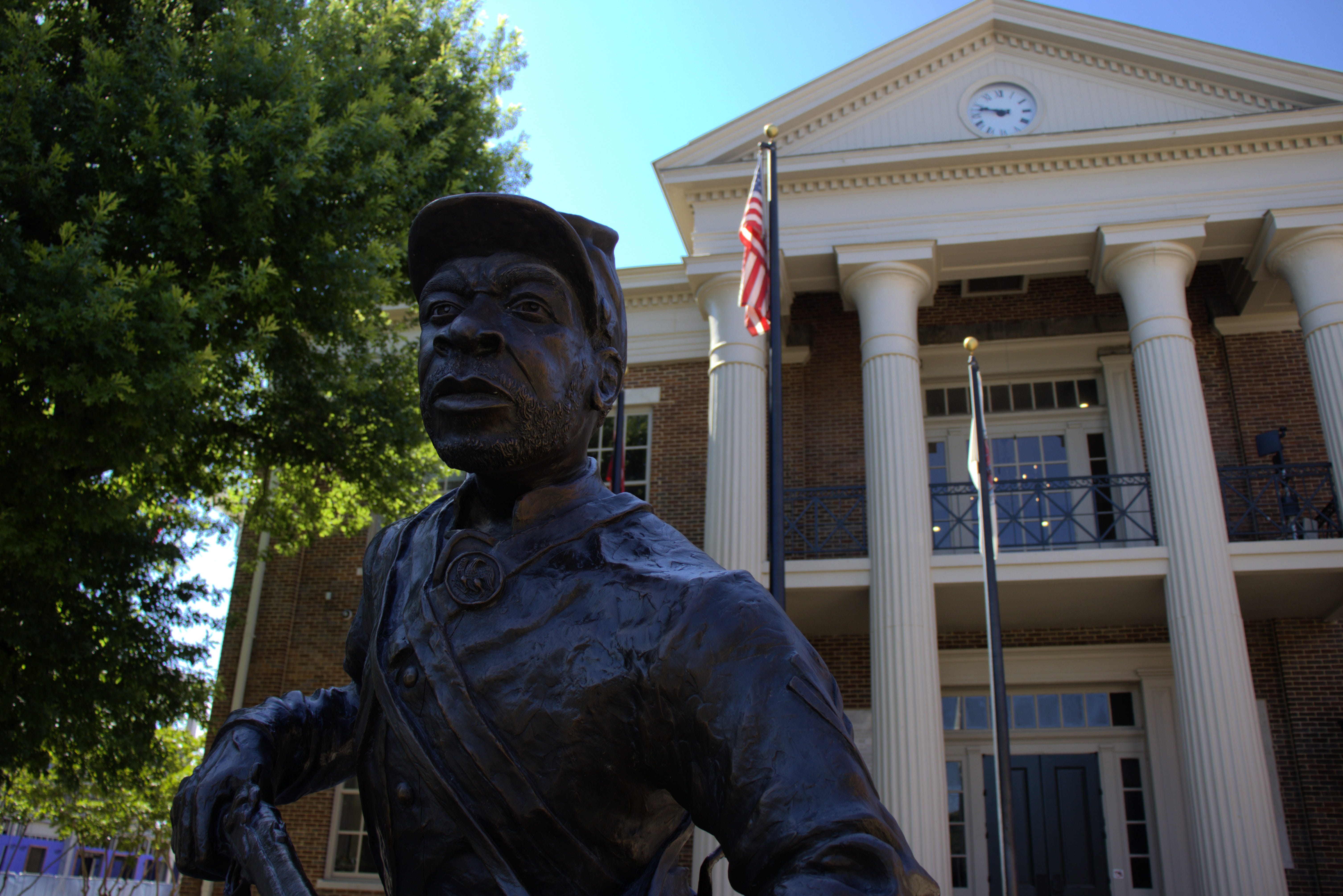
Finally, a statue commemorating the history of United States Colored Troops soldiers was erected in front of the courthouse where newly emancipated black men enlisted in the Union Army. On October 23, 2021, that statue—titled “March to Freedom”—was unveiled and dedicated in downtown Franklin, in front of thousands of black, brown, and white people. The square’s history with hate momentarily diffused with hope, joy, unity, and dignity.
As one alderman stated, the USCT statue was now standing in a place of “equal nobility.”
These efforts prove that the city of Franklin once had the motivation and determination to reckon with its past experiences of racialized hate and systemic oppression. But where has that motivation and determination gone?
Apparently, confronting hate in the past appears to be easier than facing hate in the present.
A glimmer of hope that would fade
My next encounter with hate in Franklin came on June 3, 2020. I organized the “Jesus and Justice” prayer vigil at First Missionary Baptist Church with a diverse group of churches and speakers. Both mayors, police officials, city leaders, religious leaders, and business leaders spoke about the importance of justice and our need to love one another after the murder of George Floyd.
Little did the attendees know that the church and I had been threatened multiple times by factions of hate prior to the event. We were warned that if we left the church grounds and attempted to gather anywhere downtown, we would be met with violence—especially “your leader, that nigger pastor.”
With great calm and dignity, Dr. Chris Williamson of Strong Tower Bible Church, who knew of the threats, led us in prayer while kneeling on the asphalt to dramatize how George Floyd’s life was slowly taken from him. Thousands of people knelt and joined him in prayer. There seemed to be a glimmer of hope that day, but unfortunately that glimmer would soon fade.
Alderman Gabrielle Hanson would capitalize on the seeds of hate still present in the soil of our community. She was not the genesis of hate on Main Street. Rather, she grabbed hold of the hate that was already there and transformed herself into the newest threat to unity in Franklin.
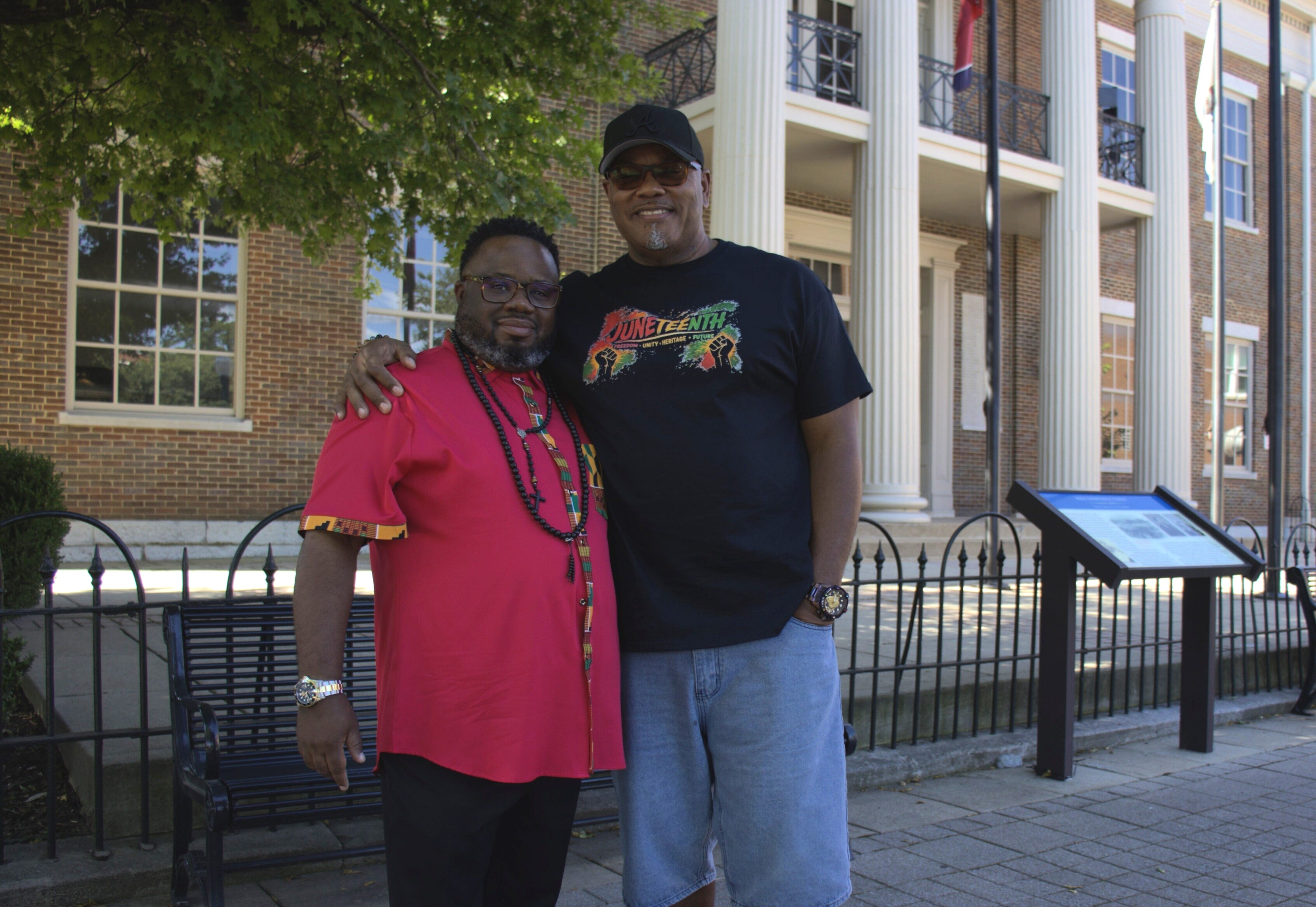
The first time I encountered Gabrielle Hanson was at a BOMA meeting in 2022. After organizing a successful Juneteenth event in downtown Franklin the previous year, Mrs. Hanson removed the permit approval from the consent agenda in order to comment on the organization I led, the Franklin Justice and Equity Coalition (FJEC). She attempted to give me and other Black people a lecture about the country’s history with racism, and how to best deal with it.
And this is where the most painful attacks began.
A ‘dreadful concoction’
Much of the hostility the FJEC and I faced came from the Black community itself. Even after Phil Williams and NewsChannel 5 reported on Hanson’s ties to white supremacist groups, certain members of the Black community remained steadfast in support of Hanson during her mayoral campaign.
This partnership reflected a deeper and more troubling pattern between white supremacy and Black capitulation. This dreadful concoction has always worked to smother authentic African-American progress in our country. When a White resident stood in a BOMA meeting and called me the “most racist man in Franklin,” the Black community remained silent as a support to this hypothesis.
After the disrespect from Hanson and at the BOMA meeting, people from “White Lives Matter” felt emboldened to appear at our Juneteenth event. Hate reared its ugly head once again on the square just off Main Street.
This was my first clear understanding of Hanson’s ability to tilt the scales of decency toward racial division through the leaven of hate. It also smothered the progress of unity that was fostered with the “Fuller Story” and through the work of the Franklin Justice and Equity Coalition.
It should be noted that in 2022, Tennessee hosted more Juneteenth celebrations than any other state in America. However, Franklin’s Main Street celebration was the only event visited by a hate group. From June 2023 through December 2024, I became the target of attacks from White Lives Matter, Moms for Liberty, the Sons of Confederate Veterans, and the Ku Klux Klan.
‘Love is stronger than hate’
I understand that my perspective is different from most, and that’s because my experiences are different from most.
I contend that hate didn’t come to Main Street—it’s always been here.
As a senior pastor of a large multi-ethnic/racial fellowship—one of the only racially diverse churches in Franklin—I believe it is important to hear and listen to the voices of those who carry the weight of what happens on Main Street.
In the end, I will always believe that love is stronger than hate—and better for us all.
 | A guest post by
|